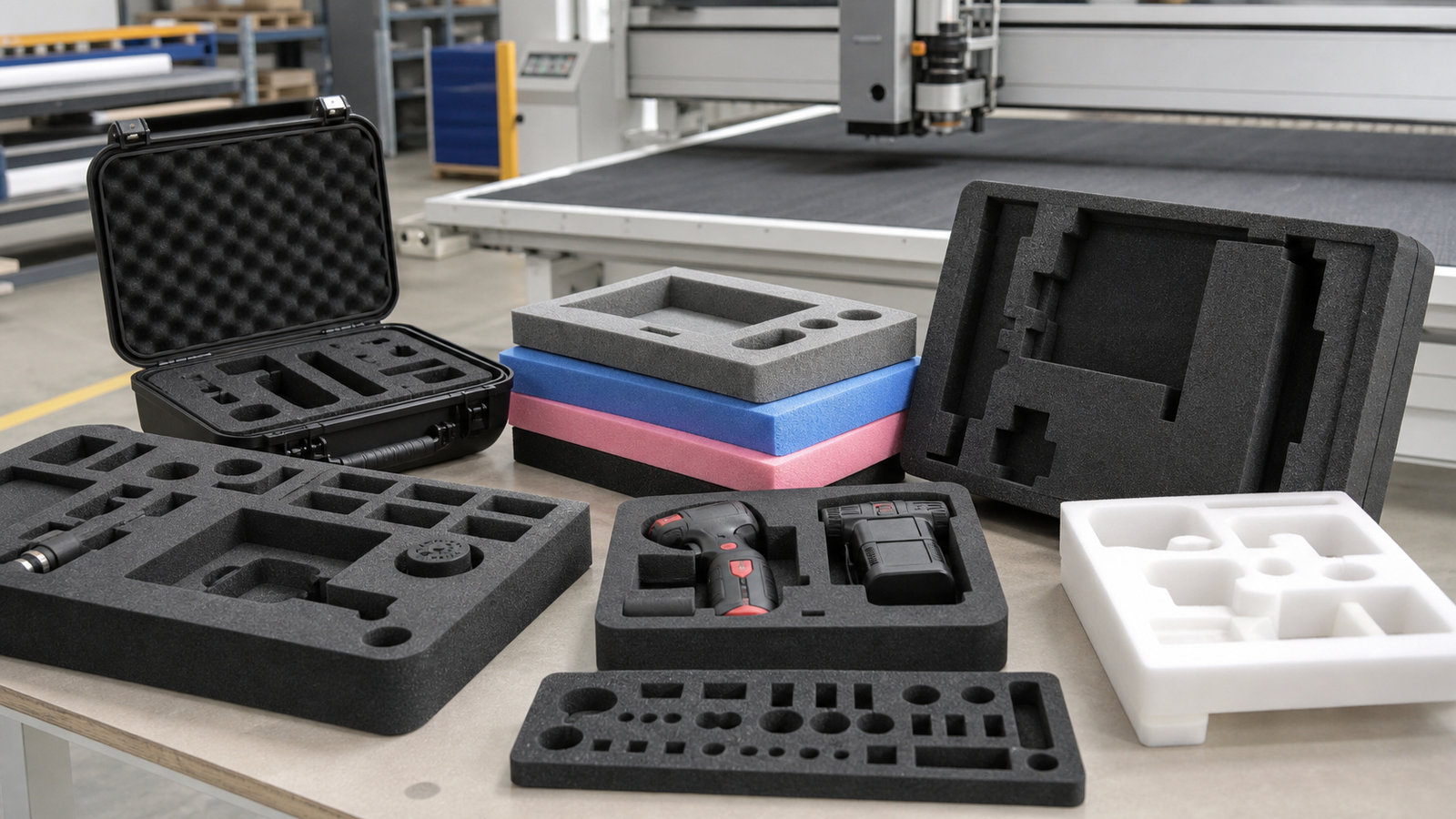
CUSTOM EVA, EPE & PU FOAM INSERTS
Custom Foam Inserts, Engineered with CNC Machine-Builder Know-How
Need a foam insert built around a product, tool case, instrument or protective package? Send RIGO your dimensions, drawing or photos. Our team will review the fit, foam type, cavity structure and cutting route using practical experience from both CNC machine manufacturing and hands-on foam processing.
- EVA, EPE and PU foam projects
- Knife cutting and pocket-milling review
- Drawing, dimensions or photo accepted for initial review
- Project-specific recommendation before quotation
Tell Us What the Insert Needs to Hold
Share the product, case and packing requirements. RIGO will review the information and reply with questions or a practical next step.
BUILT AROUND THE PRODUCT
More Than a Foam Pad Cut to Size
A useful insert has to do more than fill empty space. It should hold the product securely, keep parts organized, allow practical loading and removal, and match the way the package will be handled.
RIGO reviews the product shape, case or box dimensions, foam behavior and cavity geometry before recommending a cutting method. The goal is a manufacturable insert concept based on the real project—not a one-size-fits-all catalog answer.
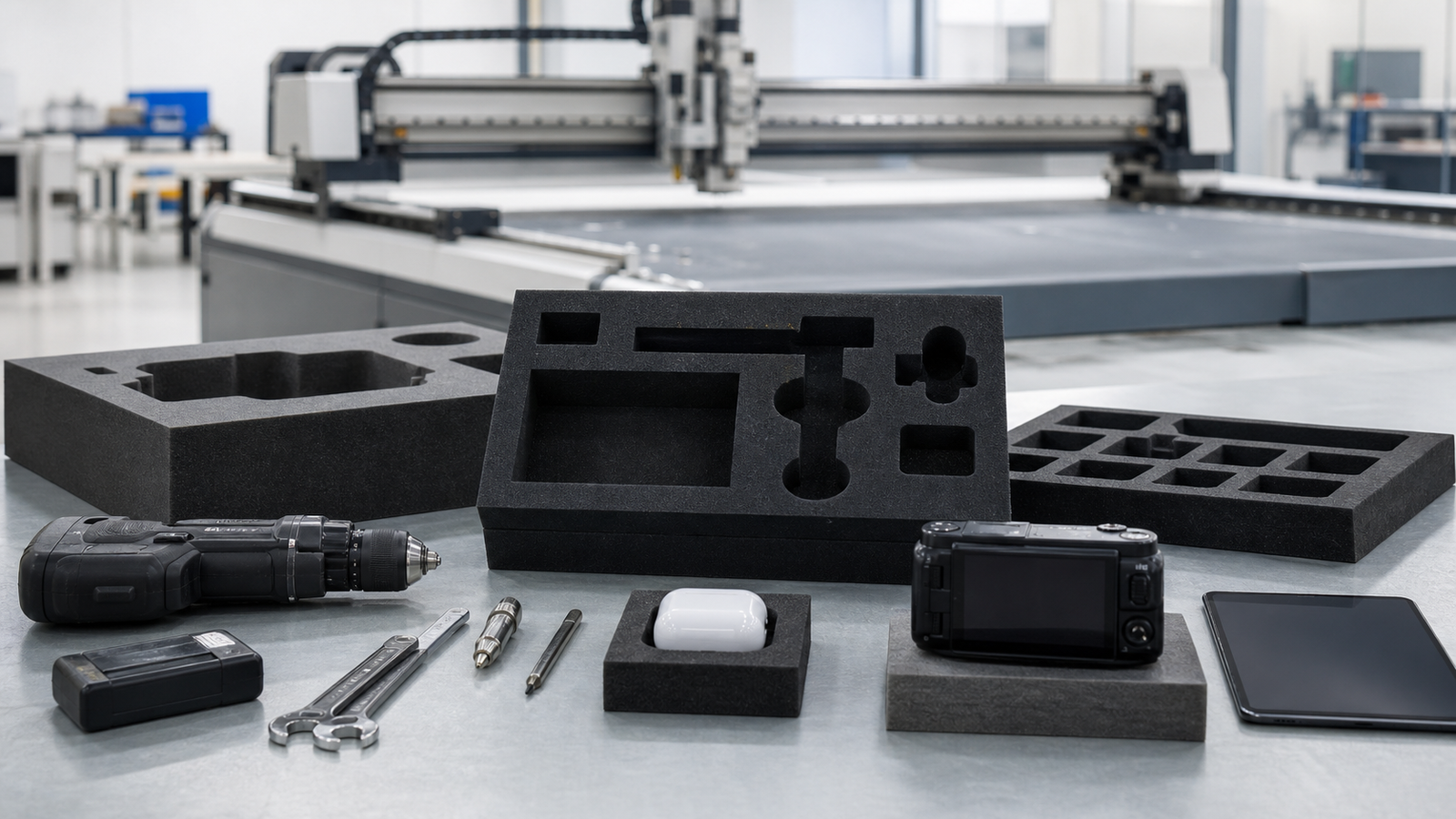
Product Fit
Review the product outline, clearance and cavity arrangement around the real item or drawing.
Protection and Organization
Plan the insert around the product's weight, contact points, packing sequence and handling needs.
Practical Access
Consider how operators or end users will place, identify and remove each part.
Digital Flexibility
For suitable CNC-cut projects, revised layouts can be reviewed from updated files without relying on a new physical die for every change.
WHY RIGO
We Build CNC Foam Cutters. We Also Work with Foam.
Many foam-insert pages start and end with material, color and price. RIGO approaches the project from the cutting process as well as the finished insert.
Machine-Builder Perspective
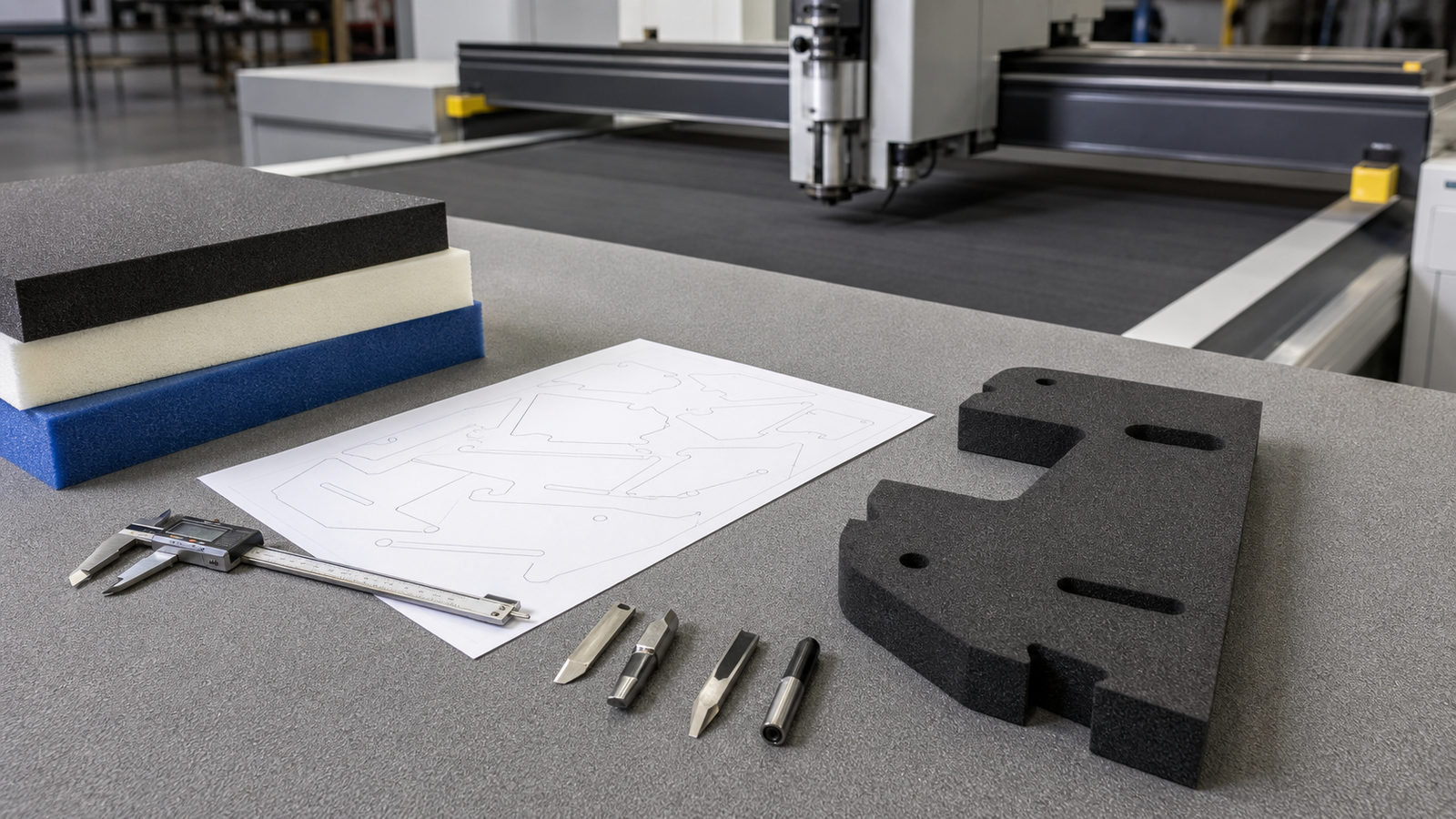
RIGO builds and configures CNC foam cutting systems. That experience helps the team review how tool choice, material holding and cutting paths may affect the finished part.
Hands-On Foam Processing
Our foam-processing experience includes the practical issues behind EVA, EPE and PU insert work: material movement, compression, profile cutting, pocket milling and visible edge quality.
Project-Specific Review
Instead of applying one fixed setup to every request, RIGO reviews the foam, geometry, quantity, appearance needs and available files before confirming the proposed route.
Final feasibility, material, process, price and schedule are confirmed only after project review.
WHAT WE REVIEW
Start with Your Product, Case and Packing Workflow
You do not need a perfect specification before contacting us. Send the information you already have, and we will identify what is still needed.
Send Project Details- Product dimensions, weight and quantity per insert
- Case or box internal dimensions, if already selected
- Foam preference, thickness, density or hardness, if known
- Cavity depth, profile, slots, holes or stepped areas
- How the product is loaded, removed and presented
- Drawing, dimensioned sketch, product photo or physical sample information
- Estimated order quantity and delivery destination
- Appearance, reuse, packing or budget priorities
FOAM OPTIONS
Choose the Foam After the Application Is Clear
EVA, EPE and PU foam behave differently. The right choice depends on the product, required fit, cushioning, appearance, reuse, quantity and budget. RIGO will review the direction for each project rather than claiming that one material fits every application.
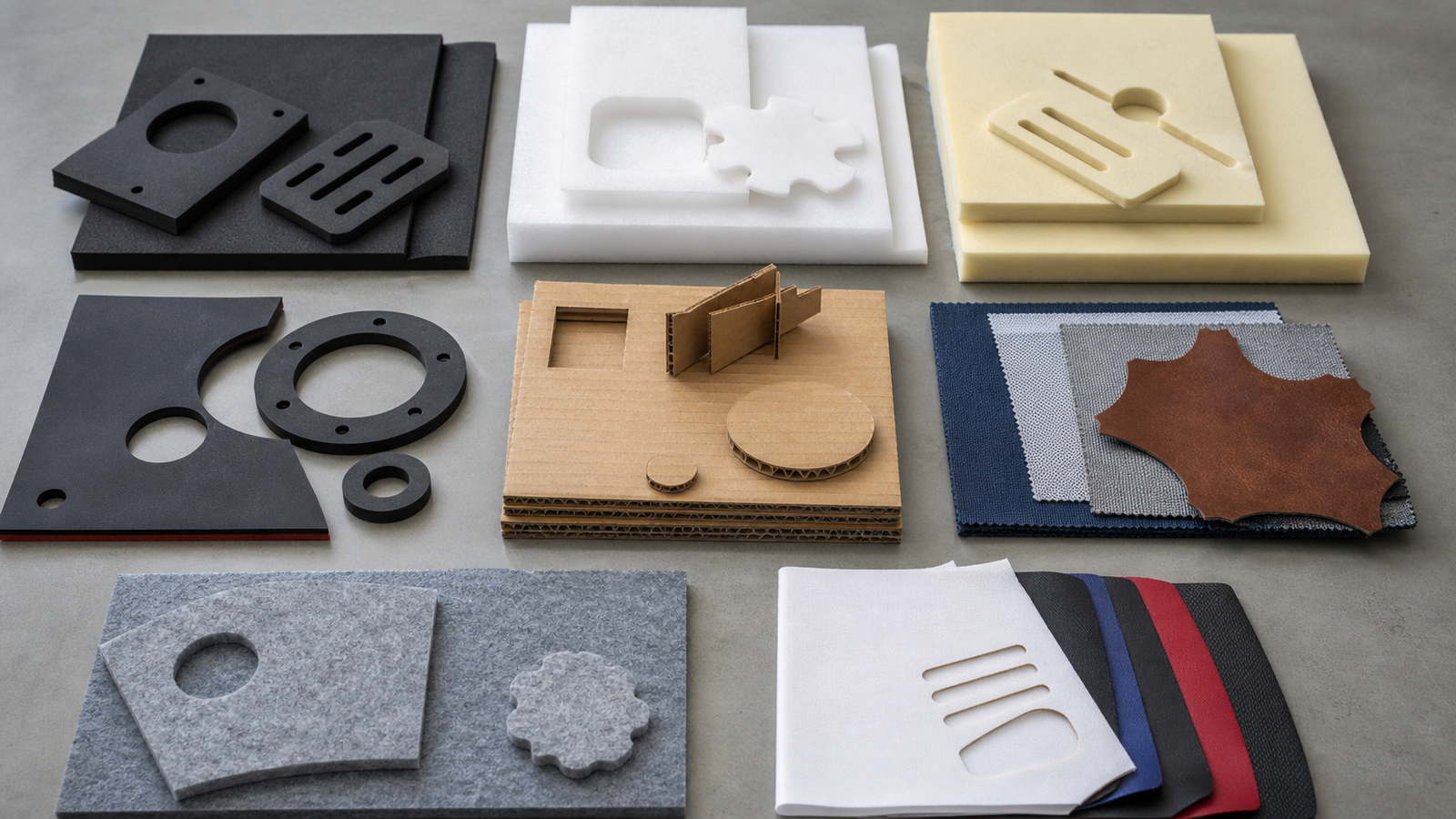
EVA Foam
Often considered when a denser, more structured insert and a clean presentation are important. Density, hardness, thickness and surface requirements must be confirmed for the project.
EPE Foam
Often considered for lightweight protective packaging and cushioning. Sheet behavior, compression, holding method and the required cavity shape should be reviewed before cutting.
PU Foam
Often considered when a softer cushioning response is useful. Foam structure and finished geometry should be checked against the product and packing method.
Material availability, color, grade, performance and compliance requirements are project-specific and must be confirmed in the quotation.
CUTTING METHOD
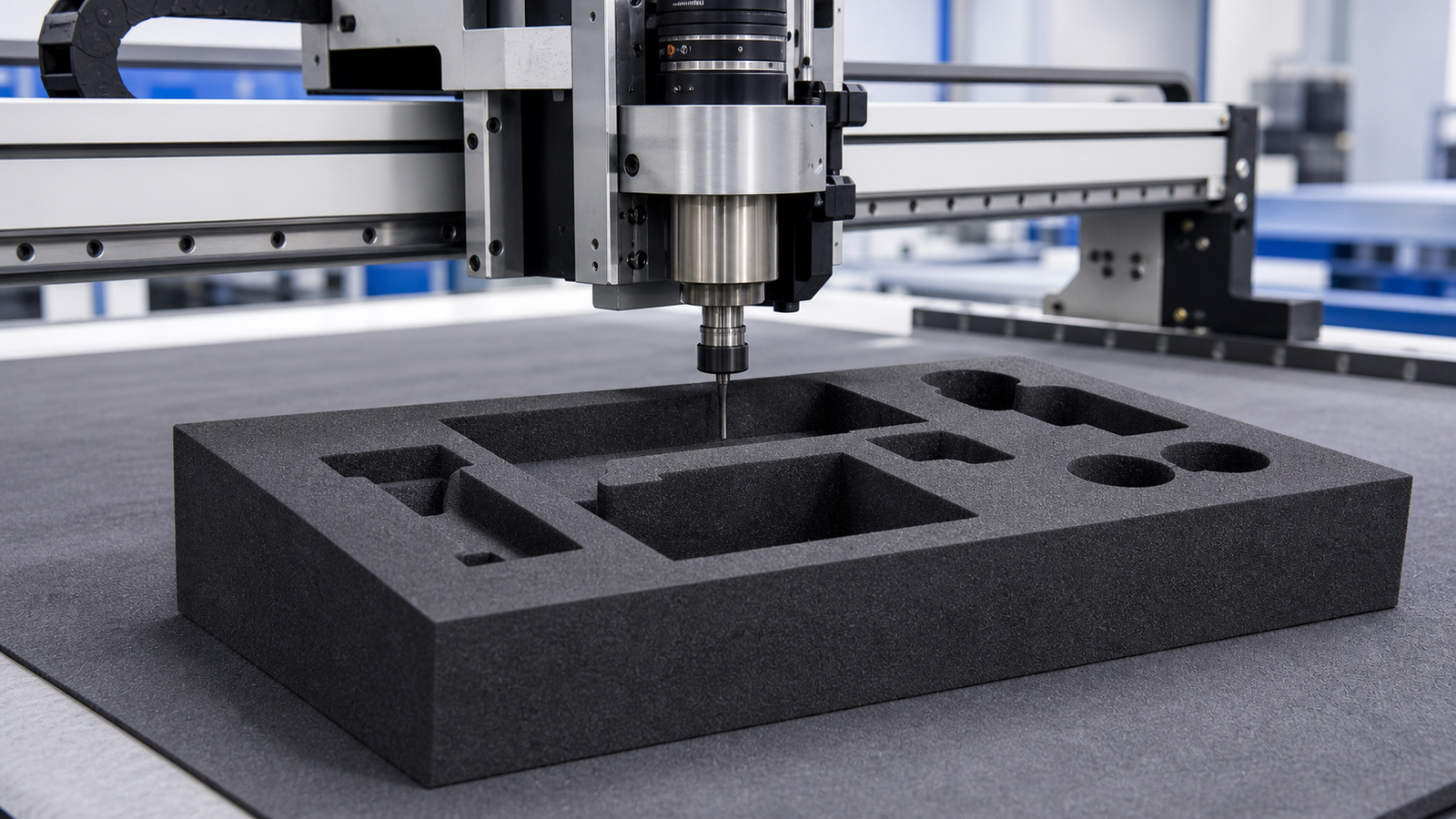
Profile Cutting, Pocket Milling or a Combined Route
The correct process depends on whether the design needs through-cuts, internal pockets, stepped cavities or a combination of features.
CNC Knife Cutting
Typically reviewed for outside profiles, through-cuts and suitable internal shapes. Tool choice and holding depend on the foam type and geometry.
CNC Milling
Typically reviewed for pockets, slots and stepped cavities where material is removed to a controlled depth. Dust handling and surface expectations must be discussed.
Combined Processing
Some inserts may need both profile cutting and pocket work. RIGO will review whether a combined route is practical for the drawing and material.
Thickness, tolerance and surface-finish details are confirmed only after reviewing the actual material and design.
COMMON APPLICATIONS
Custom Inserts for Protection, Organization and Presentation
Tool and Equipment Cases
Organize tools, accessories and equipment inside a defined case layout.
Electronics and Instruments
Review cavity layout and handling around products that need organized protective packing.
Industrial Components
Separate and position components, spare parts or assemblies for storage, presentation or transport.
Custom Protective Packaging
Build the insert around the product and the selected case or box rather than using generic filler.
Sample and Demonstration Kits
Arrange products or components so they are easier to identify, present and return to position.
Multi-Part Sets
Plan a clear cavity layout for kits containing several products, tools or accessories.
Application suitability and any regulated-industry requirements must be reviewed and confirmed separately.
PROJECT PROCESS
From Project Information to a Confirmed Production Plan
Send the available information
Share the product and case dimensions, drawing or photos, foam preference, quantity, destination and quality priorities.
RIGO reviews manufacturability
We review the geometry, likely foam direction, holding needs and whether knife cutting, milling or a combined process should be considered.
Resolve missing details
RIGO may request clearer dimensions, a revised file, foam information or physical sample details before confirming feasibility.
Confirm sample or proof requirements
If a cut sample or other proof is needed, its scope, cost and schedule will be confirmed before work starts.
Confirm quotation and production plan
Material, design scope, quantity, price, lead time, packing and shipping terms are confirmed for the specific project.
PLANNING IN-HOUSE PRODUCTION?
Need the Inserts—or the Machine to Make Them?
If your goal is to produce custom foam inserts inside your own factory, RIGO can also review a CNC foam cutting machine configuration based on your materials, sheet size, insert geometry and production target.
BUYER FAQ
Questions About Custom Foam Insert Projects
What information should I send first?
Send the product dimensions and weight, case or box internal size, desired quantity, destination, foam preference if known, and a drawing or clear photos. Also tell us whether you need through-cuts, pockets, stepped cavities or a simple profile.
Can I ask for a review without a CAD drawing?
Yes. You can start with dimensioned sketches and clear product and case photos. RIGO will tell you whether a drawing or additional measurements are needed before quotation.
Which drawing files can I send?
DXF, AI or PDF files are useful starting points. If you use another format, send it for review. File usability will be confirmed for the specific project.
Which foam should I choose?
The answer depends on product weight, fit, cushioning, appearance, reuse, geometry and budget. Share the application first; RIGO will review whether EVA, EPE, PU or another direction should be discussed.
Do all foam inserts need milling?
No. Suitable through-cuts and profiles may use knife cutting. Pockets, slots and stepped cavities may require milling or a combined process. The drawing and foam determine the route.
What is the minimum order quantity?
MOQ is project-specific. It depends on the material, dimensions, process, quantity and packing requirements. RIGO will confirm it after reviewing the request.
How long will sampling and production take?
Timing depends on design readiness, material, process, quantity, proof requirements and shipping destination. RIGO will confirm a schedule for the specific project rather than publishing a fixed lead time.
Can RIGO also supply a foam cutting machine?
Yes. RIGO builds CNC foam cutting machines and can review an in-house production setup separately from a finished-insert request.
START WITH A PROJECT REVIEW
Send the Product, Case and Insert Requirements
Tell us what the insert needs to hold and how it will be used. Upload a drawing, dimensioned sketch or product photo. RIGO will review the request and reply with questions or a proposed next step.